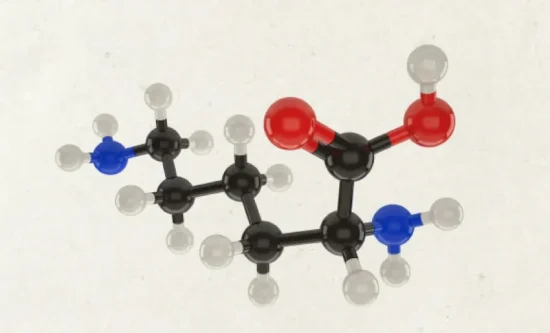
Peptides are short chains of amino acids, which are the fundamental building blocks of proteins. The key difference between peptides and proteins is size: peptides typically consist of 2 to 50 amino acids, while proteins are longer, more complex chains. Peptides act as crucial signaling molecules within the body, influencing a wide array of biological functions.
Biological Roles and Uses
Your body naturally produces peptides that serve essential functions, including acting as hormones, neurotransmitters, and antimicrobial agents. The uses of both natural and synthetic peptides are diverse and can be broadly categorized into medical, supplemental, and cosmetic applications.
- Hormone Regulation: Many essential hormones are peptides. For example, insulin is a peptide hormone that helps regulate blood sugar levels, and oxytocin plays a role in social bonding and childbirth.
- Tissue Repair and Healing: Certain peptides are known for their ability to accelerate the healing of tissues, including muscles, tendons, and ligaments, and to reduce inflammation.
- Immune System Support: Antimicrobial peptides are a key part of the body’s natural defense system against pathogens.
- Muscle Growth and Weight Management: Some synthetic peptides (like growth hormone secretagogues) are used in therapy to stimulate human growth hormone (HGH) production, which can aid in muscle development and fat metabolism. Other peptides, such as GLP-1 are used to manage type 2 diabetes and promote weight loss by regulating appetite.
- Skin and Hair Health: Peptides are used in skincare products because they can penetrate the skin barrier and signal cells to produce more collagen and elastin, which helps to reduce wrinkles, improve texture, and enhance skin barrier function. Copper peptides, in particular, promote wound healing, collagen formation, and regeneration.
- Neurological Function: Neuropeptides are involved in brain functions like memory, focus, and mood regulation, and some synthetic peptides are being explored for cognitive enhancement and the treatment of brain disorders.
Peptides are generally administered via injection, topically (creams), or orally (supplements). Many peptide-based drugs are FDA-approved for specific conditions, like GLP-1 for weight loss, while some supplements are not as strictly regulated, so it is important to understand desired outcomes and consult a healthcare provider before starting any peptide therapy.
Contact us for an appointment to discuss Peptide therapies.
Phone = CALL or TEXT (320) 889-0825